




Made for SA
A course shaped by South Africa.

South Africa is a country of remarkable diversity – socially, economically and culturally. People live within complex systems shaped by history, inequality and local realities. Our course is designed to teach behavioural science in a way that is deeply relevant to our context, helping professionals understand how behaviour unfolds in real South African environments.
Why local context matters
Internationally, behavioural science has taken off, transforming how governments, organisations, and communities solve problems. In South Africa, it’s still a relatively young field, but one with enormous potential. Our diversity means that each individual exists within a unique context shaped by culture, community, and circumstance. Behavioural science excels at uncovering these context-specific drivers of behaviour, allowing interventions to be tailored to real people in real environments, rather than assuming one-size-fits-all solutions.

‘We believe in nurturing behavioural science locally. By equipping professionals with context-aware skills and frameworks, we’re helping to expand the discipline. The goal is not just to teach theory, but to build a community of practitioners who can create meaningful, lasting impact in South Africa …’
Jorique Fourie,
Head Behavioural Scientist and Researcher,
Behaviour Change Agency
Behavioural science in action
When applied thoughtfully and with a deep understanding of local context, behavioural science can solve real challenges across communities, government and industry in South Africa.

PROJECT ZIPHAMANDLA
Depression & HIV: A Behavioural Barrier to Treatment
Improving HIV outcomes is one goal; helping people overcome the barriers that stop them from taking ART every day is another. Our study was grounded in a critical insight: depression significantly undermines adherence, making viral suppression far less likely. This evidence formed the foundation for a behavioural intervention designed not only to treat depression, but also to make daily HIV self-management simpler, more achievable, and more sustainable.
Study aim and approach
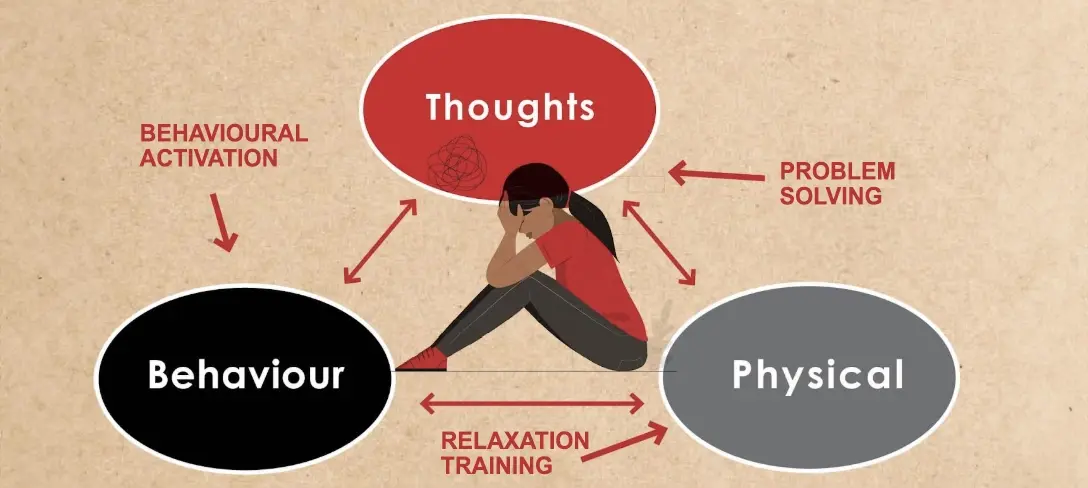
The challenge was to support adults in Khayelitsha who were living with HIV, experiencing clinical depression, and struggling to achieve viral suppression. To meet this need, the research team adapted Cognitive Behavioural Therapy for Adherence and Depression (CBT-AD) into a culturally relevant, task-shared model delivered by trained nurses. The intervention guided participants through three behavioural stages: first, understanding depression and its impact on health behaviours; second, building motivation and coping skills; and finally, strengthening daily ART adherence through structured problem-solving and the Life-Steps adherence module.
Intervention delivery
Behavioural tools in practice
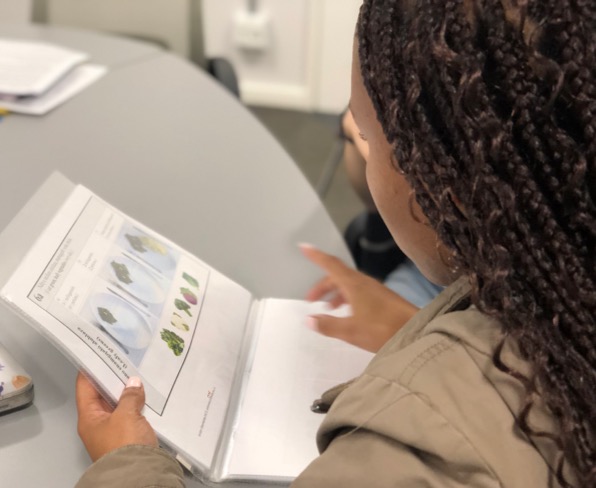
Using isiXhosa flipbooks, behavioural activation techniques, motivational interviewing, and HIV-specific problem-solving strategies, nurses delivered eight structured sessions with optional monthly boosters. These touchpoints were intentionally designed to reduce cognitive load, increase self-efficacy, and build trust - all essential behavioural levers for improving follow-through in resource-constrained settings.
Study results
The effects were significant and sustained. Participants receiving the behavioural intervention showed much larger reductions in depression, higher and more stable ART adherence, and were more than twice as likely to achieve an undetectable viral load at 12 months compared to enhanced usual care. This clinical trial demonstrates how behavioural science, when thoughtfully adapted and delivered through South Africa’s existing health workforce, can meaningfully improve both mental-health and HIV treatment outcomes.
OPERATION KHANYISA: Reducing energy theft
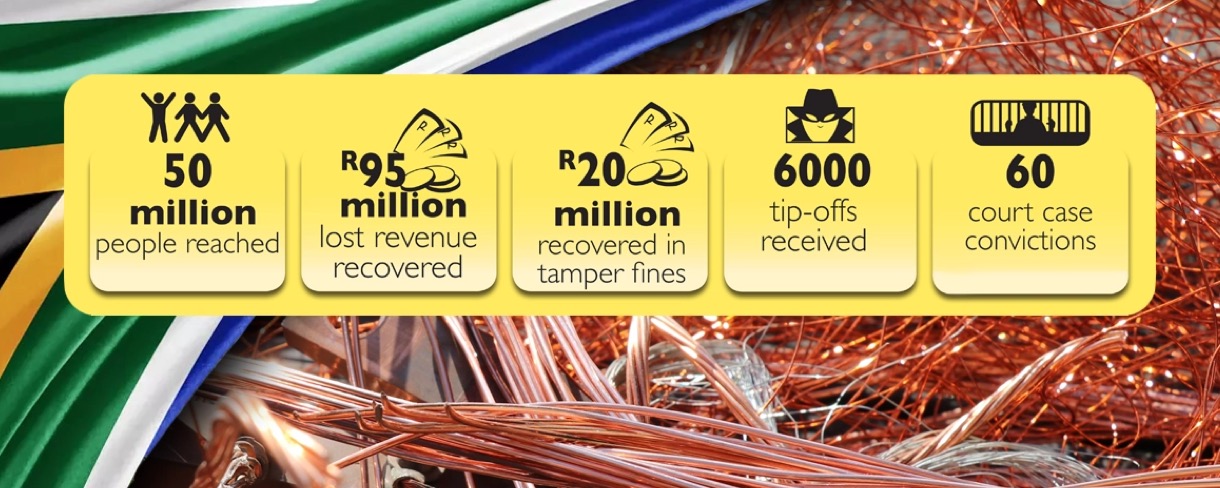
Electricity theft cost South Africa billions, threatening reliable power for communities and businesses alike. The Behaviour Change Agency partnered on Operation Khanyisa to apply behavioural insights tailored to local communities.
By understanding social norms, motivations and barriers, the campaign cut non-compliance by 30% in targeted areas. It’s a clear example of how context-driven behavioural strategies can tackle complex, nationwide challenges.
Read more
MAKING THE CUT: HIV prevention in action
BCA partnered with the SACTWU Worker Health Programme to reduce HIV transmission in South Africa. By understanding the motivations and barriers faced by men aged 18–35 in high-prevalence districts, BCA guided participants through awareness, education and action, ultimately nudging them to book voluntary medical circumcision appointments.
Innovative strategies, like a USSD booking system and multi-language campaigns featuring influencers, helped the programme reach communities effectively. Between October and December 2016, the initiative facilitated 11,533 circumcisions, a 30% increase in uptake.
Read more